Hearing aids are a personal choice. Very personal. And because of how they may impact the quality of sound, how well you can hold a phone call, and how confident you feel in your own body, we thought we’d answer the most common questions people ask about hearing aids here.

Cost & Insurance Questions

  • Will my insurance cover hearing aids? It depends on your insurance provider. Coverage varies by plan provider and location. Some plans may offer full coverage or reimbursement, others offer a discount program, and others may offer limited to no coverage specifically for hearing aids. We do accept insurance for both hearing aids and hearing care services, so please check with your plan provider and our list of accepted insurance providers here.
  • How much do hearing aids cost? Hearing aids today are high-end, tiny computers with years of R&D, science, and rigorous testing behind them. High-quality hearing aids from reputable brands are not always low-cost, but cost can vary based on style, the features included, and if you qualify for any discounts or payment plan options.
  • Are there financing or payment plans available for hearing aids? Yes, we offer financing/payment plans for hearing aids. Please contact us here to learn more.

Hearing Aid Styles & Fit

  • What’s the best hearing aid style for me? It depends on your lifestyle, hearing loss, and ears. Hearing aids are so unique because they must work for your specific ear shape/size, level of hearing loss, and lifestyle needs. Budget and technology, what you do for work, if you want to stream calls and music, etc. All these factors play a part in helping you decide which hearing aid styles are right.
  • Not sure and exploring options? Our helpful Hearing Aid Guide can help you learn more about the different styles and make a more confident decision. View the guide here.
  • Do I need two hearing aids? Unless you have normal hearing on one side or need a cochlear implant in one ear, yes, having two hearing aids is a good idea. Why? Having two devices (bilateral hearing aids) gives you better sound localization (direction) and speech understanding in noise.
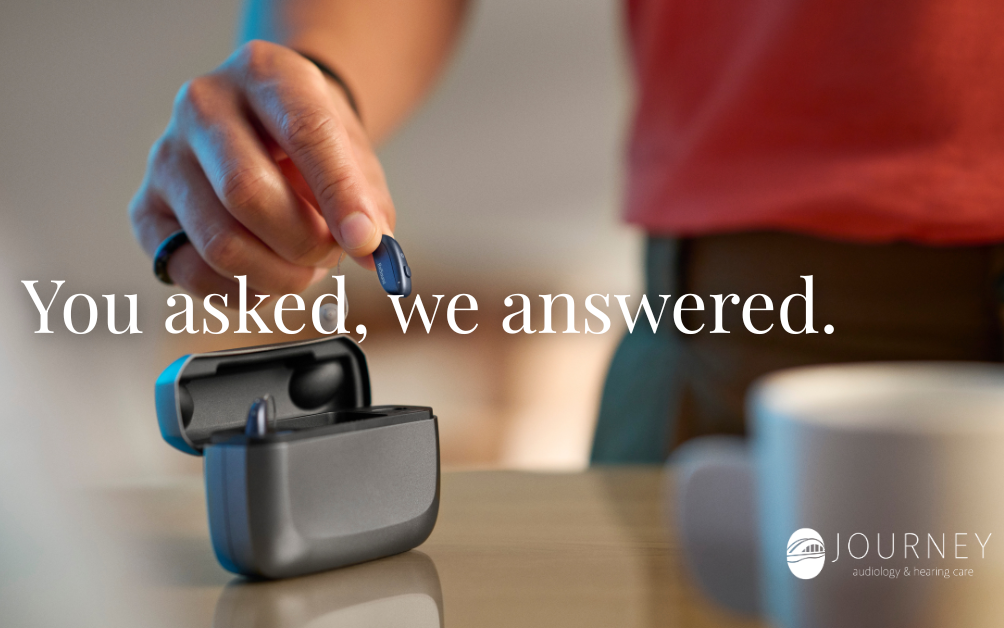
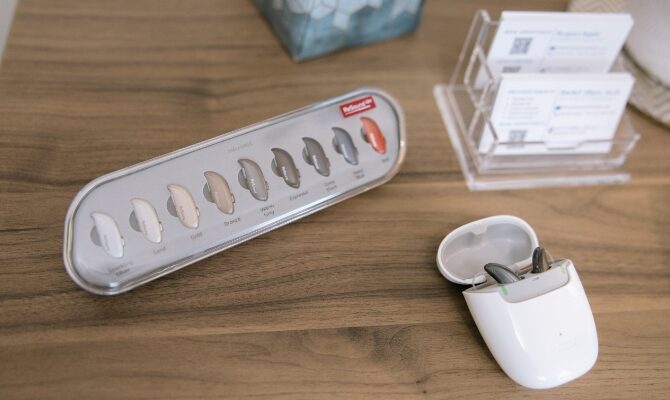
  • Are hearing aids discreet? Today, most hearing aids are so small you can’t see them – even the ones that go over your ears. Hearing aids today are sleek, small, and fit behind the ear, in the ear, and completely in the ear canal (total invisibility). You can see what each type of hearing aid looks like in or on the ear here.
  • Are any hearing aid styles not good for certain kinds of hearing loss? Some hearing aids are not ideal for profound or severe hearing losses. This is specifically because of how much power they can provide to help bridge the gap between what you can still hear and what decibel and frequency levels you’re missing out on.

Adjustment & Use

  • How long does it take to get used to hearing aids? It depends on whether you’ve worn hearing aids before, if they are new, or if they are simply being adjusted. Generally, it can take about 30-60 days to adjust to new devices as your brain is relearning how to process sounds, and some may initially seem too loud or have a “tinny” effect. Check out this article about how to adjust to hearing aids for help or more insight.
  • Do hearing aids make my voice sound weird? They can at first. Some people say that when they first get hearing aids and start wearing them, their voice can seem louder or different at the beginning. This usually goes away in a few days as your ears and brain adjust.
  • Will my music or phone call sound the same if I stream with my hearing aids? Streaming quality depends heavily on the devices you choose. The better and more advanced technologies will usually offer better, crisper sound quality for phone calls, streaming music, and TV apps. Your hearing loss may also impact this, but many people love to stream with their devices and say the sound quality is great for those we’ve fit recently.
  • Can hearing aids help with background noise? Yes, specific hearing aid programs and directional microphones can help focus on speech in noisy places like restaurants or coffee shops. You can also adjust microphone directions and sound levels to help with this.

Hearing Aid Maintenance & Lifespan

  • How long do hearing aids last? When hearing aids are taken care of properly, they can last for years. Many say 3-5 years, and we like this range specifically because while hearing aids can last longer, it’s common for patients to come to us wanting or needing an upgrade. Hearing aid technology is evolving rapidly, and many times you can donate old hearing aids to charities so they can be refitted to someone in need.
  • What’s the battery life like for hearing aids? Most hearing aids today are actually rechargeable, but if you have a hearing aid that uses batteries, it depends on the battery size and hearing aid usage. Most hearing aids now have rechargeable batteries that you can recharge nightly. Otherwise, disposable batteries can last for days to a week, again, depending on usage and how much power the device needs.
  • How do I care for my hearing aids? Keep them dry, clean of debris, don’t take them swimming, and follow your audiologist’s cleaning and care instructions for ear molds, microphones, and wiping off devices. If you need help, click here.
  • What if my hearing aid breaks? If that happens, come see us or contact us ASAP. We will see what we can do and, if needed, send the device to the manufacturer for more advanced repairs. Minor fixes and adjustments can be done in the clinic or remotely (we have literally done this at hockey rinks and homes before).

Hearing Aid Effectiveness & Next Steps

  • Will hearing aids help my specific hearing loss? If the hearing aid is properly fitted and programmed for your hearing loss and ears, then yes. If not, no. A mild hearing loss is not the same as a moderate or profound hearing loss, and the hearing aid styles and programs that work for the different levels of hearing loss vary.
  • What if I need my hearing aid adjusted? Then you can come see us if it’s a major program adjustment. Otherwise, if it’s just switching between the programs we set up during your fitting, you can make some minor adjustments yourself through the buttons on the hearing aid or through an app.
  • What’s the first step to getting a hearing aid? A comprehensive hearing exam. This is always the first step, as this gives us a clear picture of your hearing loss, speech comprehension, and lifestyle. Moreover, this will help us decide if a consultation by an ENT or other specialist may be needed first, such as if we find an obstruction or object in the ear canal. After we determine together the best option for you, we schedule another appointment for the fitting of the hearing aids, where we use Real-Ear Measures to ensure that they are working to your prescription.
  • Do I need follow-up visits or care after I get a hearing aid? Yes, follow-up visits can help keep your hearing aids working the right way and ensure the programming is still a good match for your needs. We recommend seeing your audiologist about two weeks after first being fit and then 2-4x a year for professional hearing aid cleanings and annual hearing checks.

Next Steps if Considering Hearing Aids 

If you’re considering hearing aids, the best next step is to come see us. We can show you different styles, recommend options based on your hearing exam results and lifestyle, and help you through any concerns or questions about insurance or cost.

Schedule an appointment with us today to get your hearing aids fitted and working just right for you.