Top Hearing Health Questions Answered By an Expert

The importance of hearing health is sometimes overlooked. Hearing loss has been linked to social isolation, increased depression and anxiety, an increased risk of dementia and Alzheimer’s, and it can cause stress, tension, and difficulties at work and with friends or family.

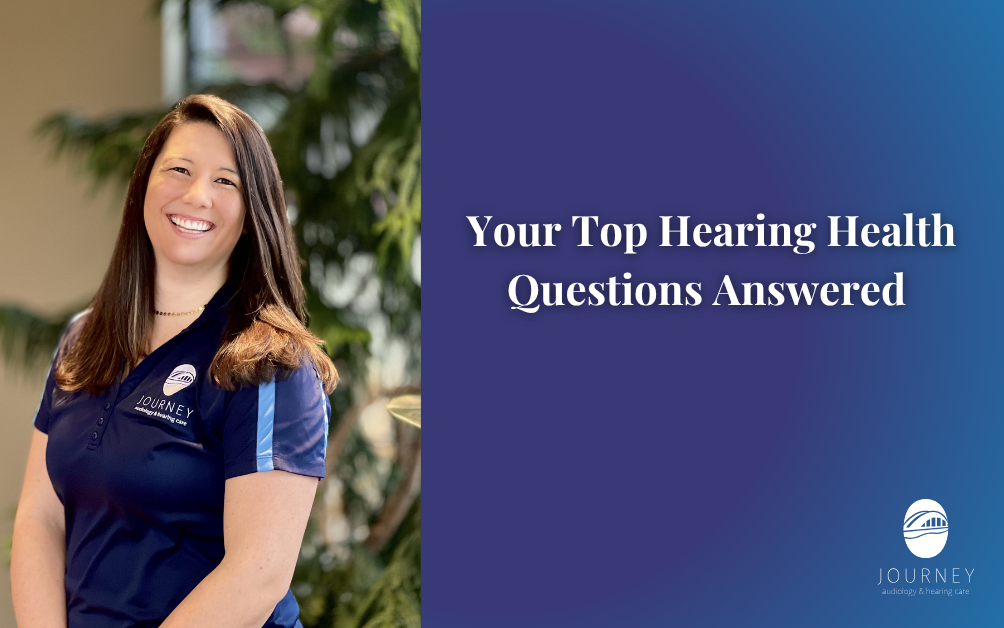
Because we get a lot of questions about hearing health the first time around, here are some helpful answers from audiologist Dr. Rachel Allgor.

Your Hearing Health FAQs: What You Need to Know

To help you better understand your hearing health, audiologist Dr. Rachel Allgor has answered all the top questions about hearing loss, hearing health care, and prevention below. She even kept her answers quick, short, and simple, so you can get the answers you need fast.

What Causes Hearing Loss?

There are a lot of causes of hearing loss, and hearing loss can be caused by a mix of these or just one factor.

  • Genetics
  • Aging
  • Noise exposure
  • Medical conditions

How Do I Know If I Have Hearing Loss?

Early warning signs of hearing loss can be subtle at first, but they tend to show up in everyday situations. Here are some of the most common ones I recommend watching out for:

  1. Frequently asking people to repeat themselves
  2. Trouble understanding and following conversations in noisy places (like restaurants, meetings, breweries, etc.)
  3. Turning up the volume on your TV or phone higher than usual (or to a level louder than others prefer)
  4. Speech sounds muffled or unclear, especially higher-pitched voices like women’s or children’s
  5. Difficulty hearing consonants (like “s,” “f,” or “th”)
  6. You feel like others are mumbling when they speak
  7. A ringing or buzzing sound in your ears (tinnitus)
  8. Fatigue after conversations from straining to hear (this is your brain working overtime)

When to get tested: If you have any of the above signs of hearing loss, as an audiologist, I highly recommend getting a hearing test ASAP. Why? Because hearing loss is something you cannot get back, the sooner it’s discovered and addressed, the fewer problems you’ll have down the road, and the easier it’ll be to follow speech, retrain your brain for certain sounds, and get back to a near pre-hearing loss state of being.

What to do next: If you notice any of these signs:

  • Schedule a hearing test with an audiologist
  • Pay attention to when and where you struggle most—it helps with diagnosis and treatment

How Often Should I Get My Hearing Checked?

Routine hearing checks help catch changes early—making treatment (like hearing aids or lifestyle changes) more effective and helping you stay connected and confident in daily life.

  • Recommendations by age group:
    • For ages 18-40: Every 3 years is sufficient if you have no symptoms, but otherwise, we recommend making a hearing screening an annual visit.
    • For ages 40-60: Every 2 years is sufficient if you have no symptoms. Otherwise, we recommend making a hearing screening an annual visit, especially as aging can cause hearing loss over time, and you may miss the decline happening if it comes on slowly.
    • For ages 60+: Once a year. If you notice a more progressive loss during the year, you may need to come in twice a year.

You may need a hearing test  more frequently if you:

  • Work in loud environments (e.g., construction, manufacturing, music, etc.)
  • Regularly attend loud events like concerts or sporting events
  • Have a family history of hearing loss
  • Take medications that can harm your hearing
  • Have conditions linked to hearing loss (like diabetes and hypertension)

Can Hearing Loss Be Prevented?

Protective measures like earplugs and practicing safe listening habits can help prevent hearing loss when it’s due to noise exposure. For some types of hearing loss caused by genetics, medications, or medical conditions, hearing loss prevention is more complex and may not even be possible. But know that treatment options are available.

Are Hearing Tests Painful or Difficult?

No. A hearing test is not difficult, but it can be an emotional experience. For some people, realizing how much hearing has been lost can feel overwhelming and scary. As an audiologist with hearing loss, I understand how anxious it can feel.

  • What to expect during an exam:
    • Pure-tone testing
    • Speech testing
    • Speech in Noise testing
    • Tympanometry (when needed)

What Happens If Hearing Loss Is Untreated?

Leaving hearing loss untreated doesn’t just impact your ears. It can negatively impact our brain, balance, mental health, safety, and overall quality of life. Research has found links between all of these elements and untreated hearing loss.

  • A higher risk of cognitive decline and dementia
  • Higher risk for faster brain atrophy
  • More likely to experience loneliness, social withdrawal, and depression
  • Increased risk of falls
  • Communication challenges at work, which can hurt productivity and career growth, as well as cause reduced work performance and income loss
  • Increased anxiety and depression (read more about this here)
  • Worsening hearing and auditory deprivation. When the brain receives less sound input over time, it can lose the ability to process speech clearly
  • Increased risk of accidents or injuries, especially when driving or walking, due to missing alarms, sirens, or warnings
  • Higher healthcare costs over time (up to 46% more over 10 years).

Learn more about hearing loss here.

Conclusion: Proactive Hearing Care is Best

Making hearing health a routine part of your health program is the best way to go. We encourage proactive hearing care – annual visits to your audiologist for a routine hearing screen, making sure hearing aids are professionally cleaned 1-2x a year, and if you notice increased difficulty hearing sounds or understanding speech clearly, it’s a good idea to see your audiologist.

Book an appointment with us today! We offer at-home mobile services and appointments at our clinic in Hastings.

Sources:

https://www.nidcd.nih.gov/news/2021/prioritizing-hearing-health-care-world-hearing-day-world-report-hearing