Hearing Tests
Getting a hearing test is an important step for anyone experiencing difficulties with hearing, whether it’s trouble following conversations, frequently asking others to repeat themselves or noticing an unexplainable ringing in the ears. At Journey Audiology and Hearing Care, our audiologists ensure that your appointment is thorough and comfortable. During your visit, you’ll undergo various tests to assess your hearing ability and identify any issues. We’ll discuss the results with you, explaining what they mean in easy-to-understand terms and explore options to improve your hearing. Understanding your hearing health is the first step toward better communication and enjoying every day sounds more fully.
Who Needs a Hearing Test?
Hearing loss often goes unnoticed until it starts to impact daily life. Common symptoms include frequently asking others to repeat themselves, struggling to follow conversations, needing to turn up the volume on your TV or radio and experiencing a ringing in your ears. Regular hearing tests are important for individuals over the age of 60, as the likelihood of hearing issues increases with age. Additionally, those who are frequently exposed to loud noises, like construction workers, musicians and factory workers, should have their hearing checked routinely. Even people who use headphones at high volumes or attend concerts regularly should be mindful of their hearing health. Early monitoring helps address any potential issues before they worsen.
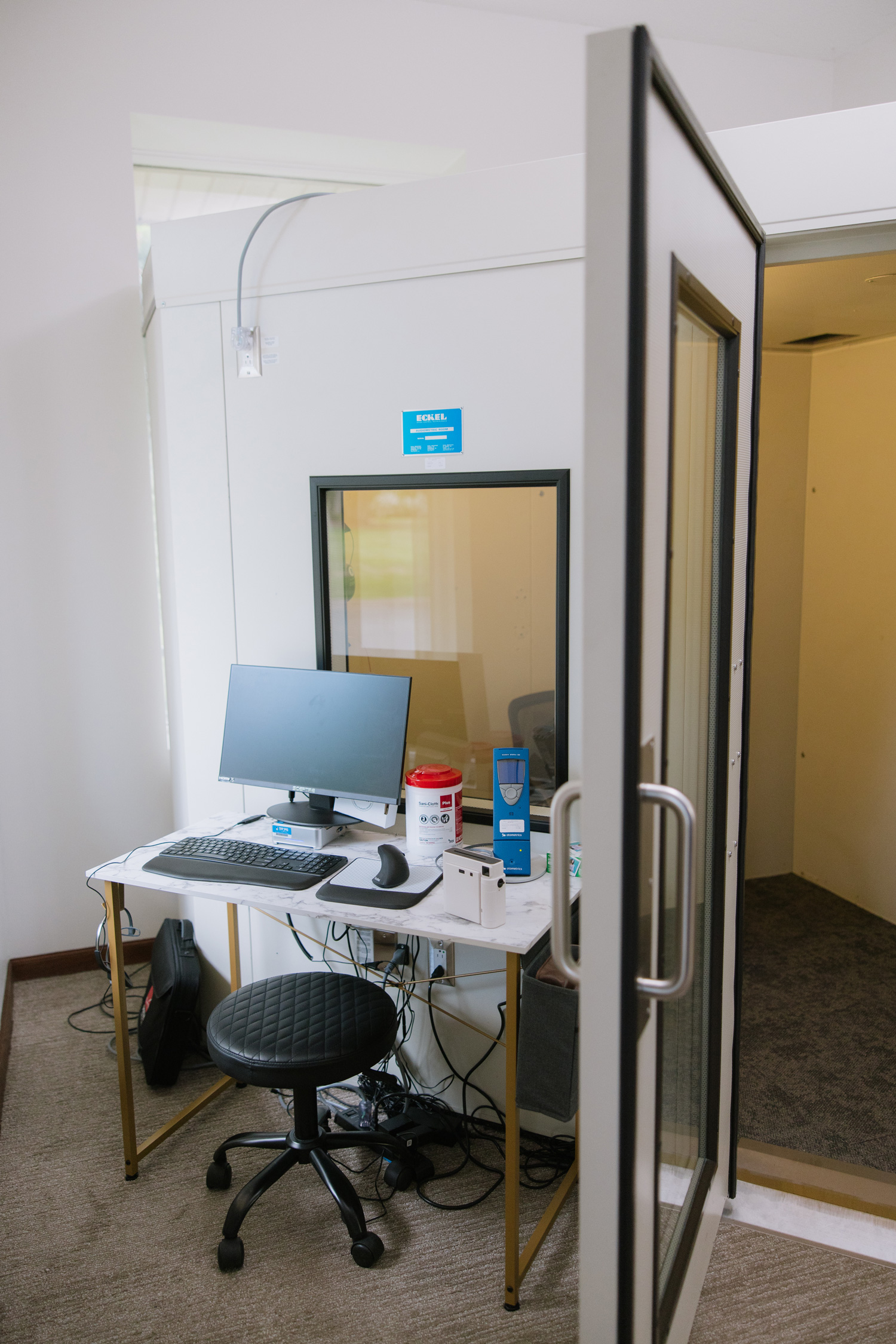
What Happens During a Hearing Test?
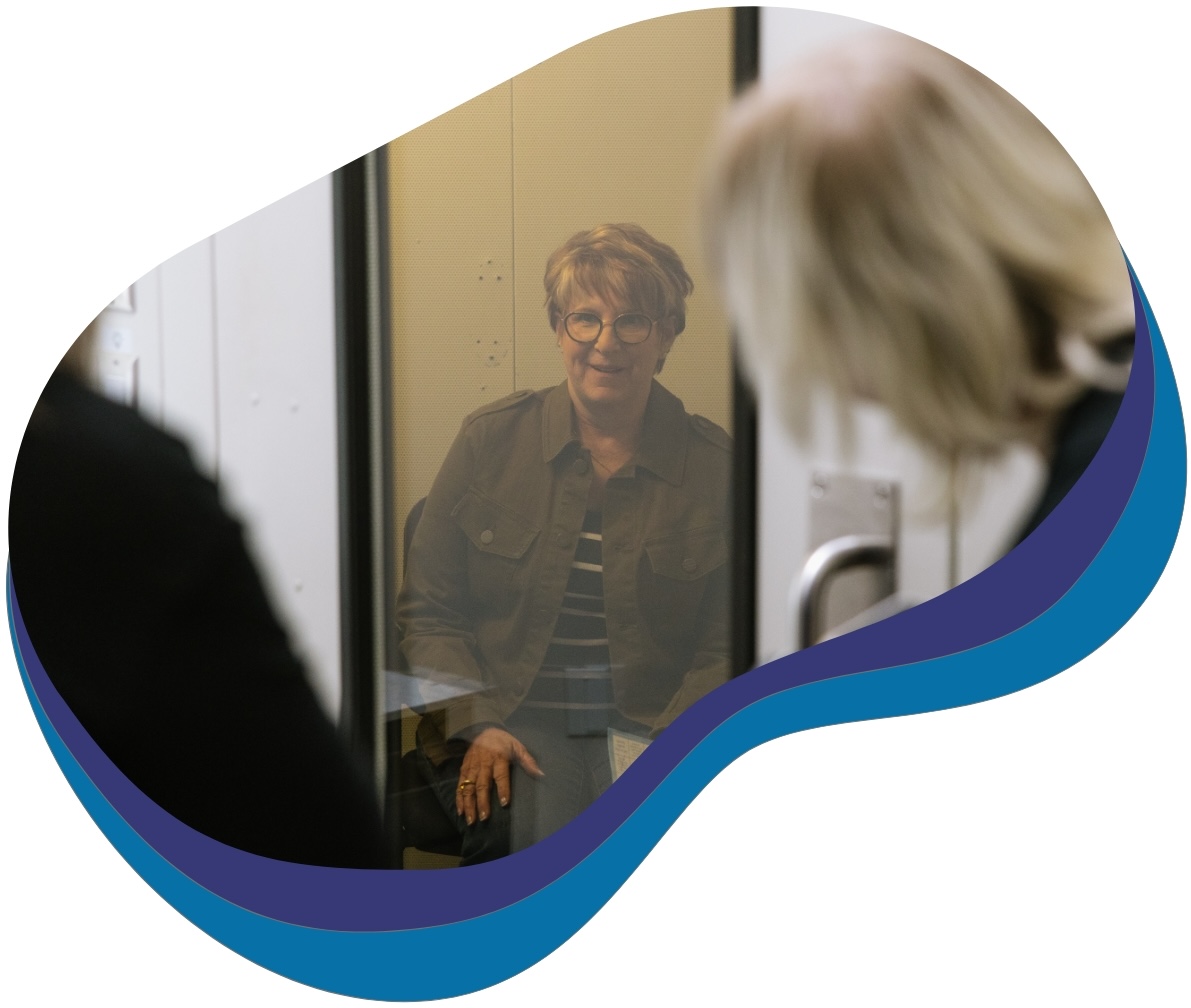
During a hearing test, you can expect a comprehensive evaluation of your hearing health. The process starts with a discussion about your hearing concerns and medical history, followed by a physical examination of your ears. You’ll then take a series of tests in a soundproof room to measure your ability to hear different sounds and tones:
- Pure-tone testing: This test measures your ability to hear a range of tones in each ear. You’ll wear headphones and indicate when you hear a sound, allowing us to determine the quietest sounds you can detect at different frequencies.
- Speech testing: This test assesses how well you understand speech at different volumes. You’ll listen to and repeat back words or sentences, helping us evaluate your clarity of hearing and speech discrimination.
- Tympanometry: This test evaluates the movement of your eardrum in response to changes in air pressure. It helps detect issues like fluid in the middle ear, ear infections or eardrum perforations.
- Auditory brainstem response (ABR) testing: This test checks how your auditory nerve responds to sound. Electrodes are placed on your head to measure the nerve’s activity in response to sounds, providing information about the neural pathways involved in hearing.
After the tests, we’ll review the results with you and discuss any necessary next steps. If the evaluation reveals hearing loss present, we’ll be happy to talk to you about your treatment options and make sure you have a thorough understanding of what is deal for your specific situation.
Industrial Hearing Screening Services
Industrial testing is essential for protecting the auditory health of employees working in noisy environments. These screenings involve conducting regular tests to assess workers’ hearing abilities and detect any signs of hearing loss early on. By identifying individuals who may be experiencing hearing difficulties due to workplace noise exposure, employers can take proactive measures to prevent further damage and provide appropriate accommodations. Industrial hearing screenings not only help preserve workers’ health and well-being but also ensure compliance with occupational safety regulations and promote a safer work environment for all.
Frequently Asked Questions
How often should adults get a hearing test?
If you’re noticing difficulty hearing conversations, turning up the TV, ringing in your ears, or asking people to repeat themselves, it’s a good idea to schedule a hearing evaluation sooner.
At Journey Audiology, we provide comprehensive hearing testing for adults in Hastings, MN, and surrounding communities to help you stay connected to the people and moments that matter most.
Still looking for a reason to get a hearing test? We can give you three here.
What happens during a hearing evaluation?
If hearing loss is identified, we’ll discuss your options and answer your questions—without pressure. Our goal is to help you make informed decisions about your hearing health. Learn about how we use Real Ear Measurement and speech audiometry here.
Are hearing tests covered by Medicare or insurance?
Our team is happy to help you understand your benefits before your appointment so there are no surprises. If you’re in Hastings or the surrounding area, contact us and we’ll help you navigate your coverage.