Tinnitus Treatment Options
Tinnitus is the term used to describe the condition of perceiving a ringing, buzzing or whooshing noise in the absence of an external sound source. This is typically only experienced by the person with tinnitus and has a variety of different causes.
Treating the cause
Tinnitus can be caused by many things, and is usually a symptom of an underlying condition. The treatment for your particular tinnitus will depend on the condition that is causing it, the severity, any accompanying issues such as hearing loss, and the impact the tinnitus has on daily activities.
Common causes of tinnitus include:
- Hearing loss
- Exposure to loud noises
- Earwax buildup or blockage
- Abnormal bone growth in the ear
- Meniere’s disease
- Head or neck injuries
- Benign tumor of the cranial nerve
- Medication
- Aging
- Vascular disorders
- Stress or depression
In order to find out the root cause of your tinnitus, your hearing specialist will conduct a complete medical history, as well as a complete examination.

What treatments are available?
Depending on the cause of your tinnitus and other factors, several treatments are available to relieve your tinnitus symptoms, from hearing aids with tinnitus-masking features to sound therapy.

Sound therapy
A common treatment is acoustic therapy or sound therapy. Sound therapy makes use of sounds to help the brain re-focus and diminish the emotional impact of the tinnitus.
Hearing aids
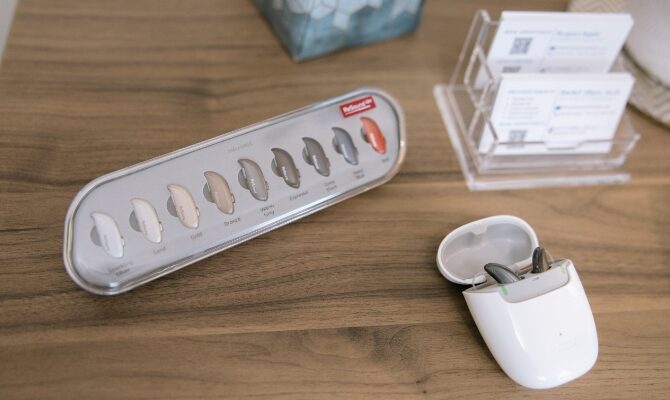
Hearing aids are a popular treatment option for tinnitus even if hearing loss isn’t present. Hearing aids can be equipped with a tinnitus-masking feature to help individuals block out the noise and provide much-needed relief. These can be used in collaboration of hearing loss treatment as well.
Tinnitus retraining therapy (TRT)
One treatment that incorporates sound therapy is called tinnitus retraining therapy (TRT), also known as habituation therapy. This therapy attempts to retrain your brain into perceiving the tinnitus in a different way. Typical behavioral therapy may also be included to help the individual cope with any emotional difficulties they’re experiencing, including depression, stress or anger.
After treatment has taken place, further maintenance is important. This may include management of associated health problems or ongoing therapies to support health and manage tinnitus.
Frequently Asked Questions
Can tinnitus go away?
For some people, tinnitus is temporary and improves after an illness, ear infection, loud noise exposure, or earwax removal. However, chronic tinnitus is often linked to hearing loss and may not disappear completely. The good news is that many people can significantly reduce how noticeable and bothersome tinnitus becomes with the right treatment plan.If you’re experiencing persistent ringing, buzzing, or humming in your ears, a comprehensive tinnitus evaluation can help identify possible causes and recommend the most effective management options.
What tinnitus treatments actually work?
The best tinnitus treatment depends on what’s causing your symptoms. There is no true cure for tinnitus, so effective options for treating tinnitus symptoms may include hearing aids for hearing-loss-related tinnitus, sound therapy, tinnitus management counseling, stress reduction strategies, and treating underlying medical conditions when appropriate.At Journey Audiology, we take time to understand your symptoms and create a personalized tinnitus management plan designed to help you find lasting relief and improve your quality of life. If you’re looking for tinnitus treatment in Hastings or nearby, we’re here to help.