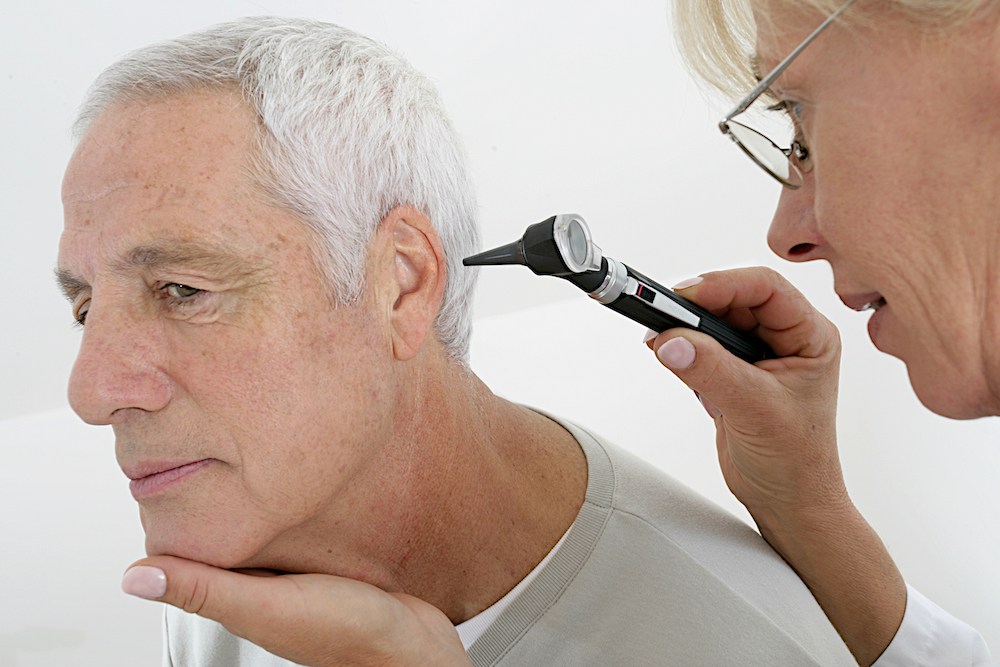
Audiologists specialize in understanding how your ears work and what affects your hearing over time. Even if you think your hearing is fine, an audiologist can provide valuable information about your ear health that you might not get anywhere else.

An audiologist can identify early warning signs of hearing loss, ear canal issues, balance problems or conditions like tinnitus before they start interfering with your daily life. They also help you understand what’s normal for your ears and what deserves attention

Working with an audiologist gives you personalized support based on your specific ear health and lifestyle.

Having a professional who knows your ear health history and can answer your questions makes it easier to take care of your hearing without confusion or unnecessary worry. It’s a straightforward way to maintain your ear health and address concerns before they become harder to manage.

What Kind of Services Do Audiologists Provide?

Audiologists look at how well you hear in different situations and talk with you about what those changes mean for your daily life.

When hearing support is needed, they guide you through options that match your comfort, your lifestyle and how you spend your time. This gives you a clear understanding of what will help you hear better and feel more at ease during conversations, work or time with family.

They also help you select and use hearing aids in a way that feels practical. You can rely on them for fittings, programming and regular adjustments so your devices keep up with your needs.

When repairs or maintenance come up, the audiologist will handle those as well, which means you always have a place to turn when something stops working the way it should.

Many people visit an audiologist for services beyond hearing support. They provide earwax removal when buildup causes fullness, muffled hearing or discomfort.

They also help you manage tinnitus through strategies that reduce the impact it has on your day.

Your audiologist also offers hearing protection options for work environments, hobbies, yard equipment, concerts and any situation where sound levels may be too high.

Why Ear Health Matters to Your Overall Wellbeing

Ear health affects much more than just your ability to hear. The ears are connected to balance, so infections or inner ear problems can cause dizziness or unsteadiness, making everyday activities harder.

Earwax buildup or chronic fluid in the middle ear can reduce hearing clarity, which may increase fatigue as your brain works harder to process sounds. Protecting your ears from infections, moisture and injury helps maintain both hearing and overall physical comfort.

Beyond physical effects, poor ear health can influence mental and social wellbeing. Untreated hearing loss can make conversations more difficult, which may lead to withdrawal from social interactions over time.

Regular checkups and timely interventions, whether through cleaning, medical treatment or hearing support, help prevent these complications and support your quality of life.

The Importance of Early Detection

Detecting changes in hearing early is important for keeping your ears healthy. Many types of hearing loss develop gradually, so regular checkups help catch small changes before they impact your daily life. When problems are found early, there are more options for treatment or support.

Early detection also helps prevent further damage by addressing wax buildup, infections or exposure to loud noises before lasting harm occurs. Acting quickly when changes are noticed gives you the best chance to protect your hearing.

How Do Audiologists Assess Hearing?

Audiologists begin by gathering a detailed history of your hearing and ear health. This includes asking about any changes you may have noticed, your work and home environments, and any family history of hearing loss.

Understanding your experiences helps them focus on what matters most for your daily life and the situations where hearing might be challenging.

Next, the audiologist uses specialized tools and tests to evaluate how well you hear different tones and volumes. Common assessments may include:

  • Pure-tone testing to measure how you perceive different pitches
  • Speech recognition testing to see how well you understand spoken words
  • Tympanometry to evaluate middle ear function
  • Acoustic reflex testing to check how your ears respond to sounds
  • Otoacoustic emissions testing to assess inner ear function

This process ensures you understand your hearing health and can make informed decisions about next steps, whether it’s treatment, hearing aids or preventive strategies to maintain your ear health over time.

What Are the Common Treatments for Hearing Loss

Treating hearing loss starts with understanding the type and degree of loss you have. Some cases are temporary and may be addressed with medical intervention, while others require long-term management.

Audiologists work with you to identify which approach fits your needs, lifestyle and preferences.

One of the most common approaches is the use of hearing aids. These devices come in a variety of styles and levels of technology, and your audiologist helps select the model that works best for your hearing profile and daily activities.

Proper programming and adjustments ensure the devices deliver clear sound and comfort. If repairs or maintenance are needed, audiologists provide ongoing support to keep the devices functioning well.

Other treatments focus on protecting and improving ear health. Earwax removal can relieve blockages that contribute to temporary hearing loss, while hearing protection devices reduce risk in noisy environments.

Together, these approaches help preserve and enhance hearing, supporting your ability to communicate, enjoy activities and maintain overall ear health.

How Audiologists Educate You on Devices

When you receive hearing aids, your audiologist does more than simply fit the devices. They provide guidance on how the technology works, explain the different settings and programs, and help you understand how to get the most from your devices in everyday situations.

This education ensures you feel confident using your hearing aids and can make small adjustments as needed.

Part of this guidance includes hands-on demonstrations and personalized tips for maintenance and care. Common recommendations from audiologists include:

  • Wiping the hearing aids with a soft, dry cloth each day
  • Removing and cleaning earmolds or domes regularly
  • Changing batteries or charging devices according to the manufacturer’s instructions
  • Keeping devices away from moisture, including sweat, rain or shower water
  • Using a hearing aid drying kit or dehumidifier overnight if needed
  • Storing devices in a safe case when not in use

Your audiologist can also show you troubleshooting tips and provide support if any issues arise, helping you feel comfortable and confident with your devices over time.

What Happens if You Leave Hearing Loss Untreated?

Untreated hearing loss can affect much more than your ability to hear. Over time, difficulty hearing can make conversations more tiring, which can lead to mental fatigue and stress.

The brain has to work harder to fill in missing sounds, which may contribute to cognitive strain and can, in some cases, affect memory or focus. These challenges can make everyday interactions more challenging and mentally exhausting.

Hearing loss that goes unaddressed often changes how people engage socially. Friends and family may notice that you are participating less in conversations or avoiding group settings altogether.

This gradual withdrawal can increase feelings of isolation and loneliness. Over months and years, these social changes can impact emotional health and overall quality of life, making it harder to enjoy activities or maintain important relationships.

Addressing hearing changes allows you to maintain your routines, relationships and overall well-being without letting hearing loss limit your daily life.

Hearing Protection Options to Fit Your Life

Protecting your ears from loud environments is an essential part of maintaining hearing health.

Audiologists can help you choose the right type of protection based on your daily activities, whether it is work, hobbies or social events. Wearing ear protection consistently can prevent long-term hearing damage and make noisy situations more comfortable.

Different activities require different solutions. Custom-molded earplugs provide a precise fit for concerts or motorized hobbies, while over-the-counter options work well for occasional exposure.

Using the right protection does not limit your experiences. It allows you to enjoy the sounds you love without putting your hearing at risk.

Professional Earwax Removal

Earwax buildup is common and can sometimes affect hearing or cause discomfort. Audiologists offer earwax removal to ensure it is done safely and thoroughly. They use specialized tools and techniques that protect your ear canal while keeping it healthy.

Regular earwax management helps maintain clear hearing and prevents blockages from interfering with your daily life or hearing devices.

Having an audiologist handle removal means you avoid the risks of at-home methods, like cotton swabs or sharp objects, that can cause damage or push wax deeper into the ear.

Tinnitus Relief Plans

Tinnitus can make everyday sounds distracting or frustrating. Audiologists work with you to develop a tinnitus relief plan that targets the causes and manages the perception of ringing or buzzing.

Common treatments include:

  • Hearing aids with masking features
  • Sound machines to create background noise
  • Tinnitus retraining therapy to help your brain filter out ringing

How Good Ear Health Supports Your Overall Wellness

Good ear health affects much more than just your ability to hear clearly. Your ears play a key part in balance, communication and your overall quality of life.

Maintaining healthy ears helps reduce the risk of infections or discomfort, keeps you aware of your surroundings and supports your well-being as you go about daily activities.

Simple habits can make a big difference in supporting ear health. Regular visits with an audiologist, protecting your ears from loud sounds and keeping them clean and dry are all important steps.

Monitoring for changes in hearing, ringing or balance issues also helps catch potential problems early. Staying physically active and maintaining cardiovascular health supports the inner ear and contributes to long-term wellness.

Healthy ears contribute to everyday comfort, prevent complications and support overall health, making it easier to enjoy your daily routines fully.

Visit an Audiologist to Get Your Hearing on Track

Working with an audiologist gives us the guidance we need to keep your ears healthy over time.

Regular check-ins help us track changes in your hearing, identify potential issues early and offer advice that fits your everyday life. Taking these steps makes it easier for us to address concerns before they develop into bigger problems, keeping hearing and balance more comfortable and reliable.

Our team at Journey Audiology in Hastings, MN (651) 661-1052 can help you understand your ear health and find solutions for concerns like tinnitus or balance challenges.

We work with you to provide care that fits your lifestyle and needs, so you can make informed decisions without stress and maintain better hearing and overall wellbeing.